What to Do When Your HVAC System Breaks During a Bloomington Spring Storm
Published: 2026-05-11 · By PlusMax Heating and Cooling
In Bloomington, spring storms can be as unpredictable as the weather itself. One minute, radiant sunshine warms your garden, and the next, thunder rumbles ominously overhead. As temperatures rise and storms roll in, the last thing any homeowner wants is a malfunctioning HVAC system. Unfortunately, this scenario is a common one during the transition from winter’s chill to spring’s warmth. If your HVAC goes haywire amid a storm, the situation can quickly escalate from inconvenient to unbearable. Knowing how to handle this issue can save you money and discomfort. Let’s delve into what you should do when your HVAC system breaks down during a Bloomington spring storm.
Why This Matters for Bloomington Homeowners
When harsh winds and heavy rains hit Bloomington, your HVAC system functions harder to maintain a comfortable indoor environment. If your system fails during these intense weather fluctuations, the consequences can be significant. Overheated or undercooled living spaces can lead to the discomfort of your family and contribute to health issues.
Moreover, many homeowners might attempt to push their systems to the limit, unaware that spring storms exacerbate existing problems. For instance, a minor refrigerant leak can transform into a significant issue when sudden humidity levels rise. Therefore, understanding how to identify potential breakdowns can save time and money.
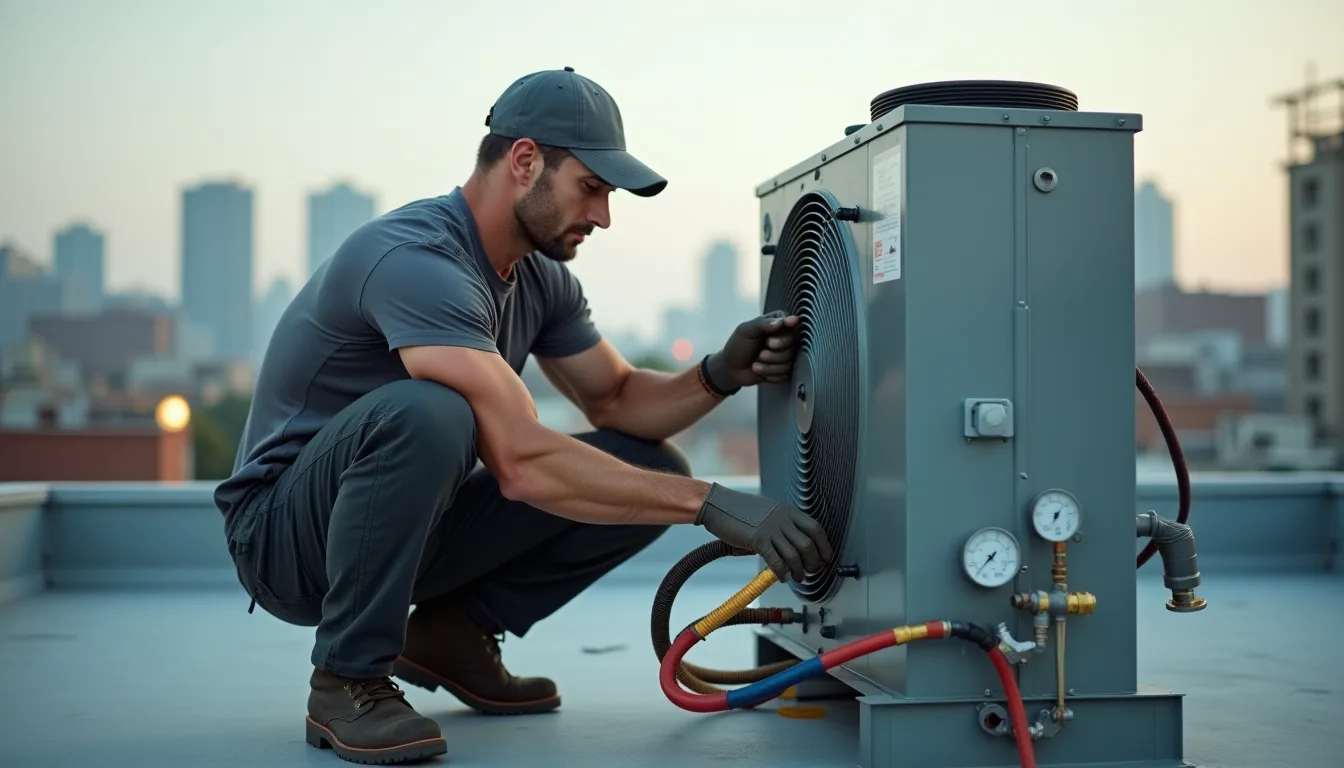
Always inspect your HVAC unit before storms roll in; dust and debris can cause malfunctions if left unattended.
In Bloomington, where seasonal weather changes are frequent, having a reliable HVAC system this time of year is paramount. If your system is not performing correctly, it can lead to a cycle of discomfort and higher utility bills that can quickly add up.
Expert Solutions & Actionable Tips
1. Check for Power Issues
Before diving into troubleshooting, make sure your HVAC system is receiving power. Storms can bring down power lines or cause outages that affect your system performance. If your HVAC unit isn’t running, check your circuit breaker first. Resetting a tripped breaker can often get things back on track without needing a technician. However, if the breaker trips repeatedly, that’s a sign of a deeper electrical issue requiring professional assessment.
2. Inspect the Thermostat
Your thermostat is the control center for your HVAC unit. After severe weather, ensure that your thermostat is set correctly. Sometimes, malfunctions can stem from an outdated or incompatible thermostat model. If your HVAC system doesn't turn on, consider replacing the batteries or, if it’s programmable, resetting it. An affordable replacement can range from $20 to $50, while advanced models do go higher.
3. Assess the Air Filters
Dirty air filters can lead to decreased efficiency and even system failures. After each storm, inspect your air filters to ensure they are clean and replaced regularly. Clogged filters impede airflow, making your system work overtime. To maintain optimal airflow, you might spend around $10-$20 per filter, and it’s recommended to check them monthly during peak usage seasons.
4. Look for Leaks and Drips
Heavy rains can swell water drainage lines, potentially causing clogging or leaks in your HVAC system. Inspect for water pooling around the unit. Clear any obstructions to keep water moving freely and check for signs of leaks within your home—excess moisture can lead to mold growth. If leaks are severe, repairs could range from $200 to $600 depending on the extent of damage.
5. Schedule Preventative Maintenance
Before spring storms become a regular occurrence, scheduling maintenance can prepare your HVAC system for the demands of changing weather. This decreases the chances of an untimely breakdown. Most local companies, like PlusMax Heating and Cooling, offer services at rates around $100-$150, and proper maintenance can extend your unit’s lifespan significantly.
6. Keep Documentation Handy
Familiarizing yourself with your HVAC system’s documentation can provide crucial insights when breakdowns occur. Keep warranty information, service records, and emergency contact numbers easily accessible. During a storm, quick access can expedite repairs, potentially minimizing inconvenience and expense. Ensure all essential documents are saved digitally and in hard copies, especially those from PlusMax Heating and Cooling.
Bloomington Climate & Local Context
Bloomington’s climate is a mix of hot, humid summers and cold, snow-filled winters. The unique weather patterns throughout the seasons demand a robust and versatile HVAC system in every home. Local building codes often require HVAC systems to be installed according to specific guidelines that accommodate temperature fluctuations.
Many residences feature older heating systems that may not handle the changing climate effectively. Investing in modern HVAC technology not only improves efficiency but also aligns with local standards, making it a sensible choice for Bloomington homeowners. Permits are essential for new installations or significant repairs, ensuring compliance with city codes.
When to Call a Professional
While some HVAC issues can be resolved through DIY methods, others require expert intervention. It's crucial to recognize when to tackle HVAC problems on your own and when to call in a professional. A trustworthy local service provider like PlusMax Heating and Cooling can assess complex situations accurately and efficiently.
- Your unit fails to turn on despite power being stable.
- Unusual noises or odd smells coming from the HVAC system.
- Continuous running of the system without achieving desired temperatures.
- Visible leaking or pooling water around your HVAC unit.
- Repeated tripping of circuit breakers linked to your HVAC system.
- Issues related to refrigerant levels or cooling capacity.
- Frequent cycling on and off, affecting performance.
Each of these scenarios indicates potential risks that require a qualified technician’s perspective to ensure proper repair and safety.
Frequently Asked Questions
What should I do first if my HVAC isn't working?
Start by checking your thermostat settings and power supply. If neither appears to be an issue, then assessing air filters and drainage lines can yield immediate resolutions before seeking professional help from PlusMax Heating and Cooling.
How can I prevent HVAC issues during spring storms?
Regular maintenance checks are vital. Scheduling annual inspections and cleaning debris from outdoor units can help prevent significant issues during the stormy season.
When should I consider replacing my HVAC system?
If repairs are becoming frequent or costly—typically more than 50% of the replacement cost—or if your system is over 15 years old, it might be time to discuss replacement options with a professional.
What are the signs that my HVAC unit needs servicing?
Indicators such as poor air quality, uneven temperatures, increased energy bills, and strange noises signal that your system may benefit from professional attention.
Is it expensive to repair HVAC systems during peak seasons?
Yes, repair costs can increase during peak seasons due to high demand for technicians. However, addressing issues promptly can prevent extensive damage and higher repair bills later.
Get Expert HVAC Service in Bloomington
When faced with an HVAC breakdown during a Bloomington spring storm, remember the importance of quick action. If you're uncertain about what to do next or need immediate assistance, don’t hesitate to reach out to PlusMax Heating and Cooling. Our experienced team is just a phone call away at (812) 441-5856.
Your comfort is our priority, and we're here to help you navigate any HVAC issues that spring weather throws your way.